Estimated reading time: 8 minutes
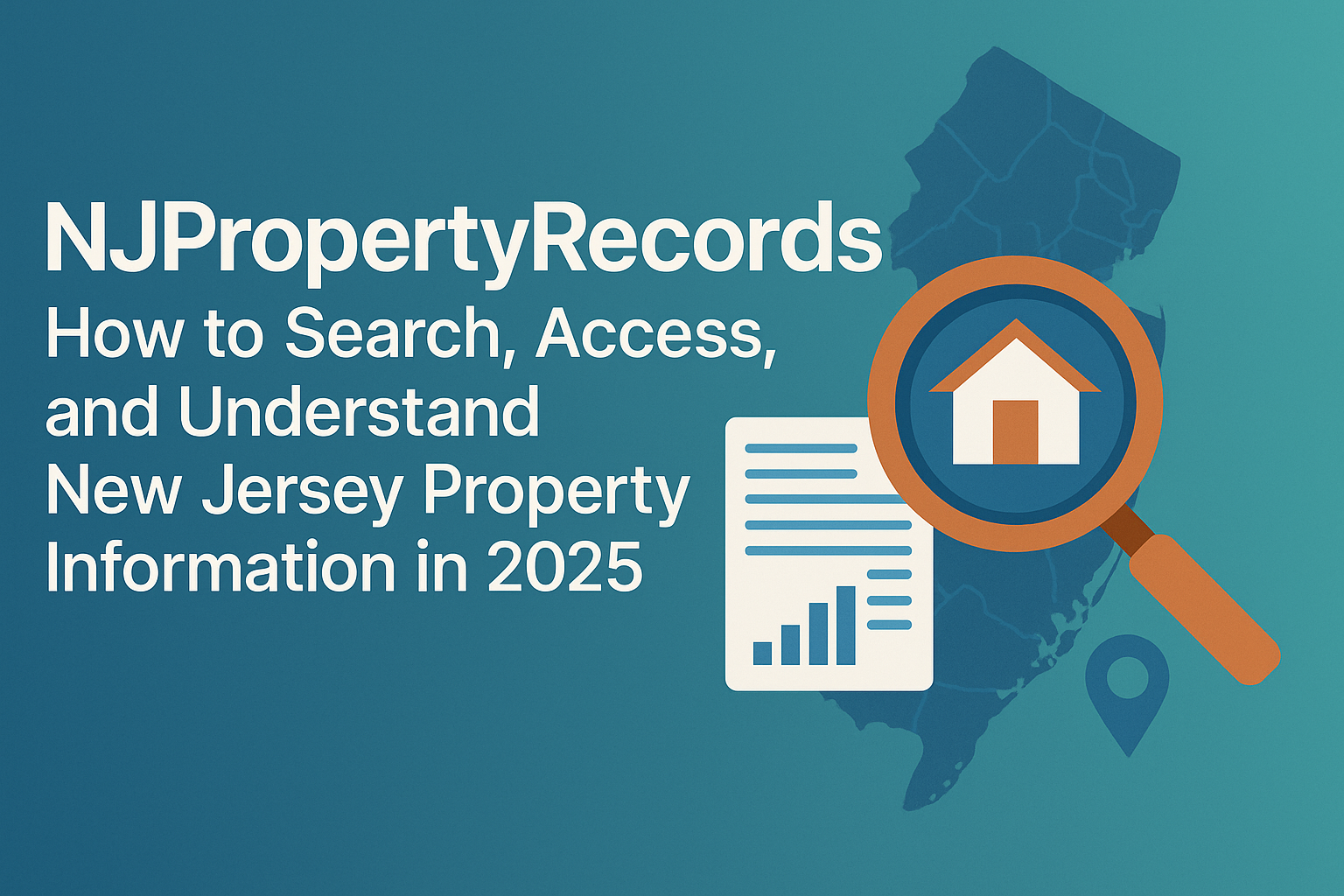
Real estate is one of the most transparent sectors in the United States, and New Jersey stands at the forefront of accessible public data. From property ownership details to land value assessments, the NJPropertyRecords system provides residents, investors, and researchers with vital insights into real estate across the Garden State.
But with transparency comes exposure. Understanding how to search, interpret, and manage property records responsibly can protect your assets—and your privacy.
This in-depth guide walks you through how NJPropertyRecords works, how to perform detailed searches, and what to do if you want to keep certain personal information from appearing online.
Understanding NJPropertyRecords
NJPropertyRecords is an online database that consolidates property data from various state and county offices across New Jersey. It includes ownership history, assessed values, land use classifications, and building details.
Unlike private listing services, these records come directly from public sources such as:
- The New Jersey Department of Treasury – Division of Taxation
- County Clerk and Recorder Offices
- Municipal Tax Assessors
- County GIS (Geographic Information Systems)
This means that NJPropertyRecords combines data traditionally scattered across multiple databases into one searchable platform.
What Kind of Information Can You Find?
- Current and past owners’ names
- Parcel ID or block and lot numbers
- Property type (residential, commercial, agricultural)
- Land size and zoning classification
- Assessed and market value estimates
- Tax assessment data and payment history
- Construction details, square footage, and year built
- Recorded deeds and mortgage filings
The goal of NJPropertyRecords is to make property research accessible—whether you’re buying, selling, or simply confirming information.
How to Search NJPropertyRecords: A Step-by-Step Guide
Whether you’re checking on your own property or investigating potential investments, the process is straightforward.
Step 1: Visit the Official NJPropertyRecords Portal
Head to the primary website (search “NJPropertyRecords” or access it through county-level property databases such as nj.gov or county tax portals).
Step 2: Choose the Search Criteria
You can search using:
- Property owner’s name
- Address (street, city, or ZIP code)
- Block and lot number (found on tax bills or deeds)
- Municipality or county name
Step 3: Review the Search Results
You’ll typically see a summary list with basic details—owner name, property address, and parcel number. Click on a specific property for more details.
Step 4: Access Detailed Records
Within the detailed record, you’ll find:
Property Owner: John A. Smith
Address: 24 Maple Avenue, Princeton, NJ 08540
Block/Lot: 12/345
Land Use: Residential
Assessment Year: 2025
Total Value: $892,000
Building SqFt: 2,800
Taxes Paid: $12,350
Depending on the county, you may also download deed images or tax maps.
Step 5: Use Advanced Filters (Optional)
Some counties allow filtering by land use, sale price range, or transaction date. This feature is especially valuable for real estate professionals analyzing trends.
Counties Covered Under NJPropertyRecords
New Jersey has 21 counties, and most are integrated into the NJPropertyRecords system or have compatible online portals. Here’s how the coverage looks:
| County | Property Access Site Available | Record Types Included |
|---|---|---|
| Bergen | ✅ Yes | Ownership, Tax, Deeds |
| Essex | ✅ Yes | Property Values, GIS Maps |
| Hudson | ✅ Yes | Mortgage & Transfer Records |
| Middlesex | ✅ Yes | Assessment and Parcel Data |
| Monmouth | ✅ Yes | Historical Sales & Tax Maps |
| Ocean | ✅ Yes | Land Records, Permits |
| Camden | ✅ Yes | GIS & Ownership Details |
| Mercer | ✅ Yes | Assessment and Zoning Data |
Each county manages its data slightly differently, but NJPropertyRecords helps unify access across these systems.
Why Property Records Matter
Property records aren’t just administrative—they’re legal documents that establish ownership, taxes, and financial accountability. Here’s why they’re essential:
- Ownership Verification: Confirms legal possession of land or buildings.
- Tax Compliance: Ensures accurate property tax assessments.
- Dispute Resolution: Provides evidence in boundary or title conflicts.
- Market Research: Helps investors identify undervalued assets.
- Historical Insight: Reveals development trends and zoning evolution.
By understanding these records, you can make smarter decisions about buying, selling, or maintaining property in New Jersey.
How to Interpret Property Information
Reading NJPropertyRecords data can feel overwhelming. Here’s a quick reference for common fields you’ll encounter:
| Field Name | Meaning |
|---|---|
| Block & Lot | Unique property identifier used by municipalities. |
| Assessment Value | Value assigned for tax purposes (not market price). |
| Owner of Record | Legal owner listed on the deed. |
| Tax Rate | The rate applied by the local municipality to calculate annual property taxes. |
| Deed Date | When ownership was last transferred. |
| Sale Price | Recorded value at last sale transaction. |
| Building Description | Notes structural characteristics and zoning use. |
This information builds the foundation for property analysis and transparency.
Privacy Concerns and Public Record Exposure
While property records must remain public under New Jersey’s Open Public Records Act (OPRA), this transparency can sometimes expose personal details—like names, addresses, or mortgage information—online.
For many homeowners, this raises privacy concerns, especially when these records appear in search engines or third-party data websites.
If You’re Concerned About Privacy
You can:
- Request suppression from third-party listing sites that scrape NJ data.
- Limit exposure by removing personally identifying information from online documents where allowed.
- Contact local clerk offices to understand redaction policies.
Organizations like Optimize Up specialize in helping individuals manage and minimize this exposure while maintaining compliance with public data laws.
Optimizing Property Data for Business Insights
For professionals—appraisers, agents, attorneys, and investors—NJPropertyRecords offers valuable analytics.
1. Real Estate Market Research
Identify regional pricing trends and forecast future property values based on historic data.
2. Commercial Development Analysis
Developers use NJPropertyRecords to evaluate zoning, land use, and permit records before initiating construction projects.
3. Legal Verification
Attorneys verify deed histories and liens before finalizing transactions.
4. Tax Planning
Accountants analyze tax histories to identify appeal opportunities for clients.
How Optimize Up Enhances Your Online Property Privacy
Optimize Up helps clients balance transparency and privacy by monitoring online exposure and protecting sensitive property-related data.
Our Services Include:
- Data Exposure Monitoring: Detects where your personal or property details appear online.
- Public Record Suppression: Requests removal of property owner data from third-party sites.
- Reputation Management: Ensures your online identity reflects professionalism and accuracy.
- Content Optimization: Boosts your visibility for verified, positive content while minimizing unwanted exposure.
👉 Protect your information and reputation today — visit Optimize Up to request a privacy evaluation.
Using NJPropertyRecords for Real Estate Investment
Investors rely on accurate property data to spot undervalued assets and forecast ROI.
Here’s how NJPropertyRecords supports that process:
- Identify Ownership Patterns: Recognize absentee owners or frequent sellers.
- Analyze Market Fluctuations: Track historical price changes in specific zip codes.
- Validate Property Histories: Ensure clear titles before acquisition.
- Cross-Reference Tax Liens: Confirm liabilities before negotiation.
- Locate Development Opportunities: Use GIS maps to identify undeveloped parcels.
When used strategically, NJPropertyRecords is a competitive advantage for real estate professionals.
Tips for Navigating County Record Portals
Each New Jersey county portal has a slightly different user interface. To streamline your search:
- Use Chrome or Firefox for better compatibility.
- Disable pop-up blockers for PDF download pages.
- Search by parcel number when address-based searches fail.
- Export records to Excel for comparison analysis.
- Always confirm details with the county tax assessor’s office if discrepancies appear.
Legal Framework: Accessing Property Records in New Jersey
Property data transparency in New Jersey is governed by the Open Public Records Act (OPRA), which grants public access to government-held documents, including property assessments.
Under OPRA:
- Residents can request copies of deeds, permits, and maps from local offices.
- Agencies must respond within seven business days.
- Personal identifiers such as Social Security Numbers must be redacted.
For official guidance, refer to the State of New Jersey OPRA resource for updates on privacy and access laws.
Future of Property Data Access in 2025
In 2025, expect property record systems to integrate even more advanced GIS technology, real-time valuation tools, and blockchain verification for deeds and mortgages.
Emerging trends include:
- Interactive mapping dashboards with 3D parcel visualization.
- AI-based property valuation models for instant estimates.
- Automated document authentication to prevent fraud.
- Enhanced cybersecurity protocols for sensitive data.
As technology evolves, so does the importance of managing how property information appears online.
FAQ: NJPropertyRecords and Property Data Access
It’s an online system that provides access to public property data in New Jersey, including ownership, taxes, and valuation details.
Basic searches are usually free, though downloading official documents may involve a small fee depending on the county.
Yes. Most counties list the legal owner’s name on record.
It reflects public records updated periodically by municipal or county offices, typically once or twice a year.
Request redaction where legally permissible and consider services like Optimize Up to manage online visibility.
Yes. Reviewing assessments and comparables can support a case for reassessment.
It’s a compilation of public data maintained by various government agencies across the state.
Protecting Your Privacy While Staying Informed
Public records are crucial for transparency and accountability—but privacy still matters. By understanding how NJPropertyRecords works and how to responsibly manage your exposure, you can balance access to information with personal and financial protection.
Optimize Up empowers you to maintain that balance through proactive reputation management and privacy solutions tailored to homeowners, investors, and professionals.
Works Cited
“Property Tax Information for New Jersey.” State of New Jersey Department of Treasury, 2025.
“Understanding Open Public Records Act (OPRA).” State of New Jersey Official Portal, 2025.
“Real Estate Data and Assessment Trends.” New Jersey Association of County Tax Boards, 2024.
“Property Ownership Records and Valuation Tools.” PropertyShark, 2025.